Consumer Behaviour Is the Missing Piece in the Circular Textile Transition
The technology is ready. The next challenge is changing what we consider normal. Can the sweater of the future be both climate-smart and resource-efficient?
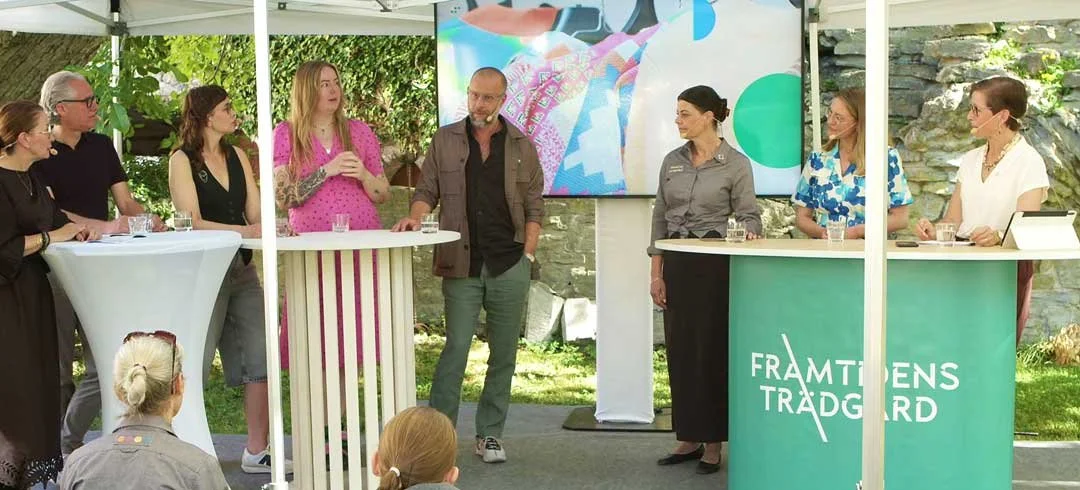
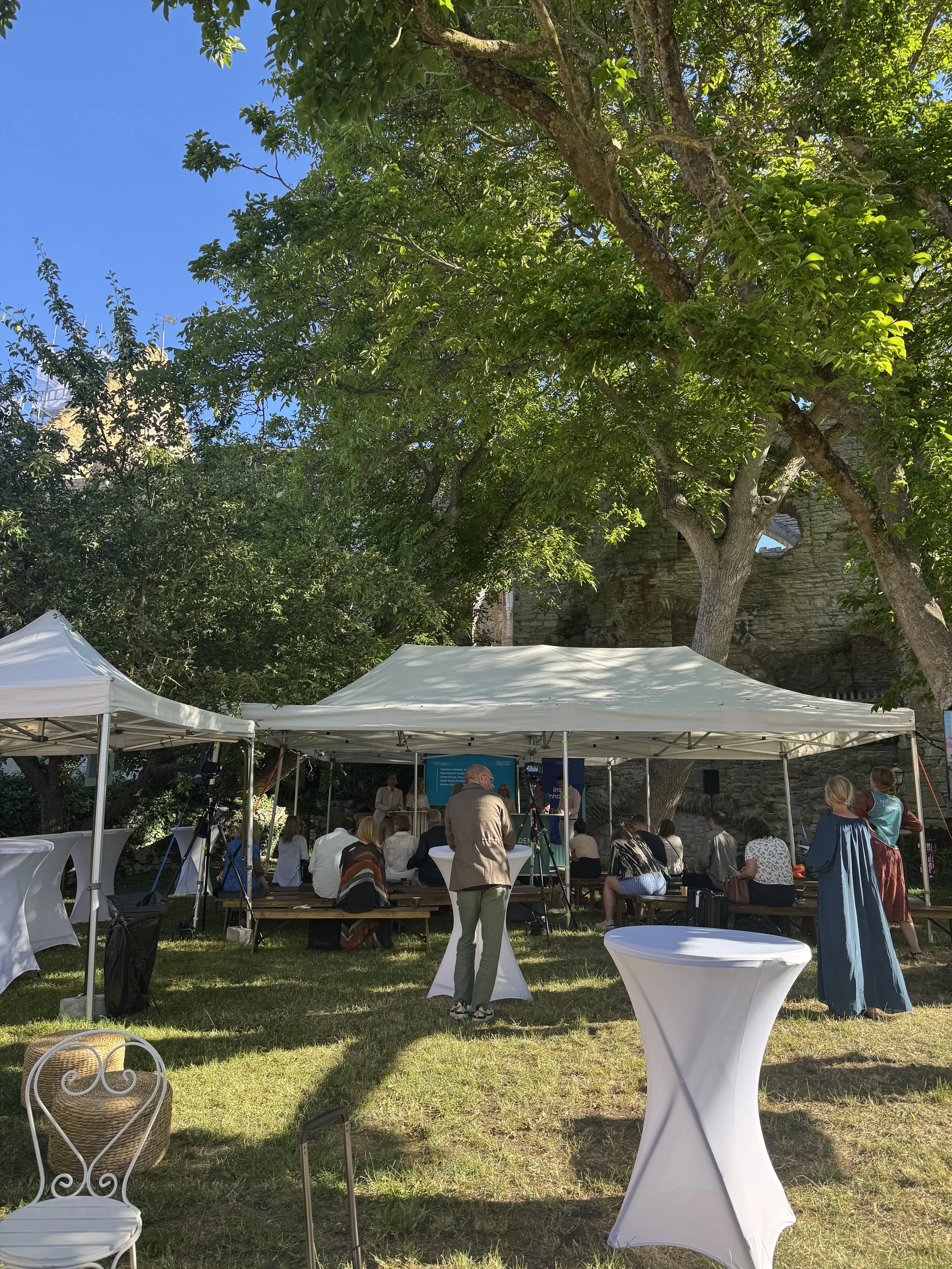
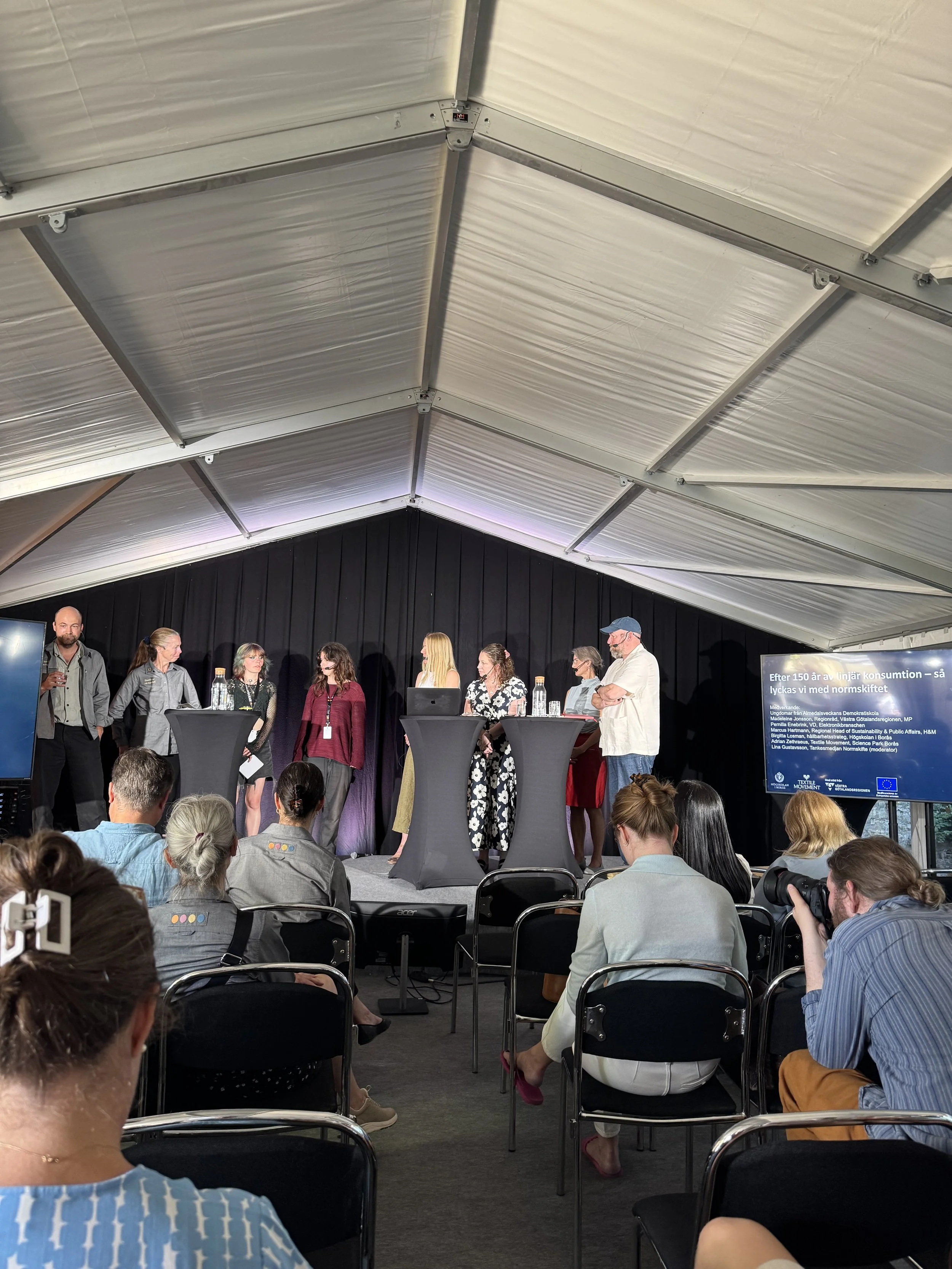
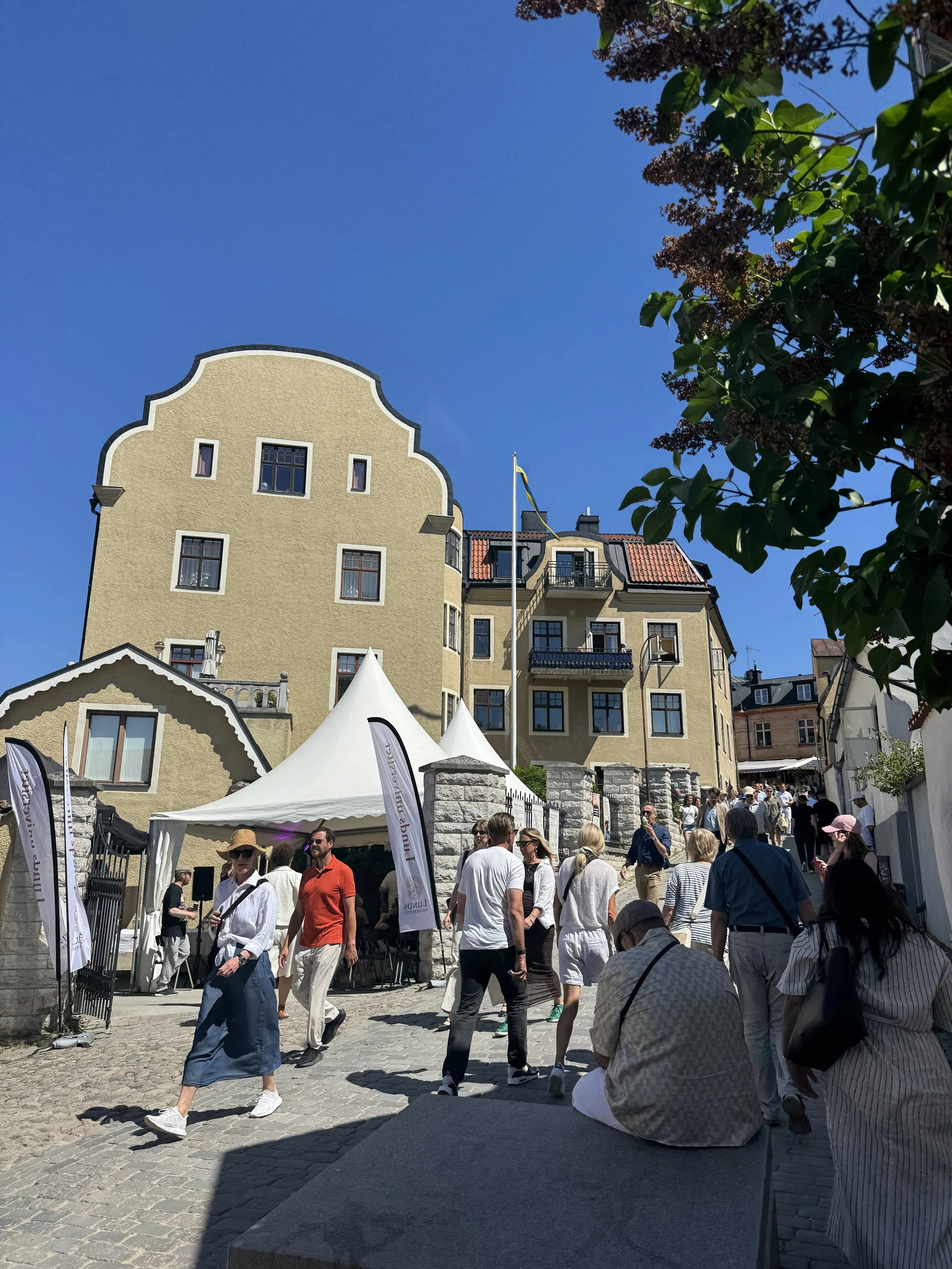
That was the question explored during Textile Day at Almedalen Week, where The Loop Factory joined a panel discussion hosted by Formas together with researchers, industry experts and innovators.
One conclusion stood out. The biggest barrier to scaling circular textiles is no longer technology.
It's consumer behaviour.
Circular technology is no longer the bottleneck
Today, the technology already exists.
Fibres can be recovered. Textiles can be recycled. New yarns can be produced from post-consumer materials. Companies across Europe are investing in circular production and recycling capacity.
Yet many brands hesitate. Not because recycling doesn't work, but because customer demand for products made from recycled fibres is still developing.
The challenge is no longer technical. It's commercial.
A market in transition
Consumer behaviour is changing faster than many expected, but not in one direction. Younger generations are buying more second-hand clothing than ever before. They repair, remake and rent garments in ways previous generations rarely did.
At the same time, ultra-fast fashion continues to grow. This is not necessarily a contradiction.
After more than 150 years of linear consumption, changing social norms takes time. New and old behaviours exist side by side, creating a market that is both exciting and unpredictable.
The Circularity Gap Report shows that Sweden's economy is only 3.4% circular today, a striking figure that was highlighted during discussions at Almedalen this week. While that number illustrates the scale of the challenge, it also points to the enormous opportunity still ahead.
Circular business models are already creating value
One of the strongest impressions from Almedalen was seeing companies that have already turned circularity into successful business models.
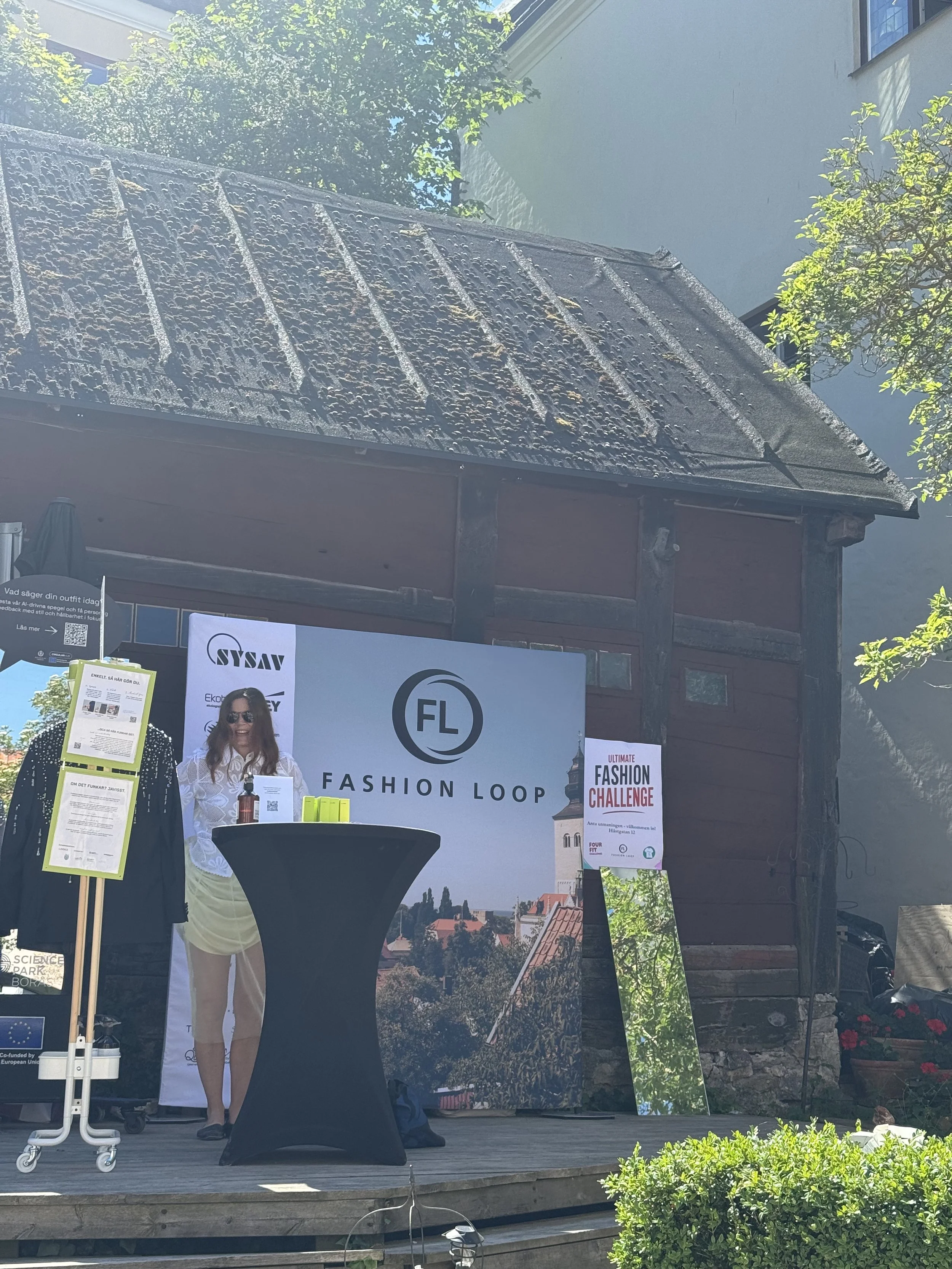
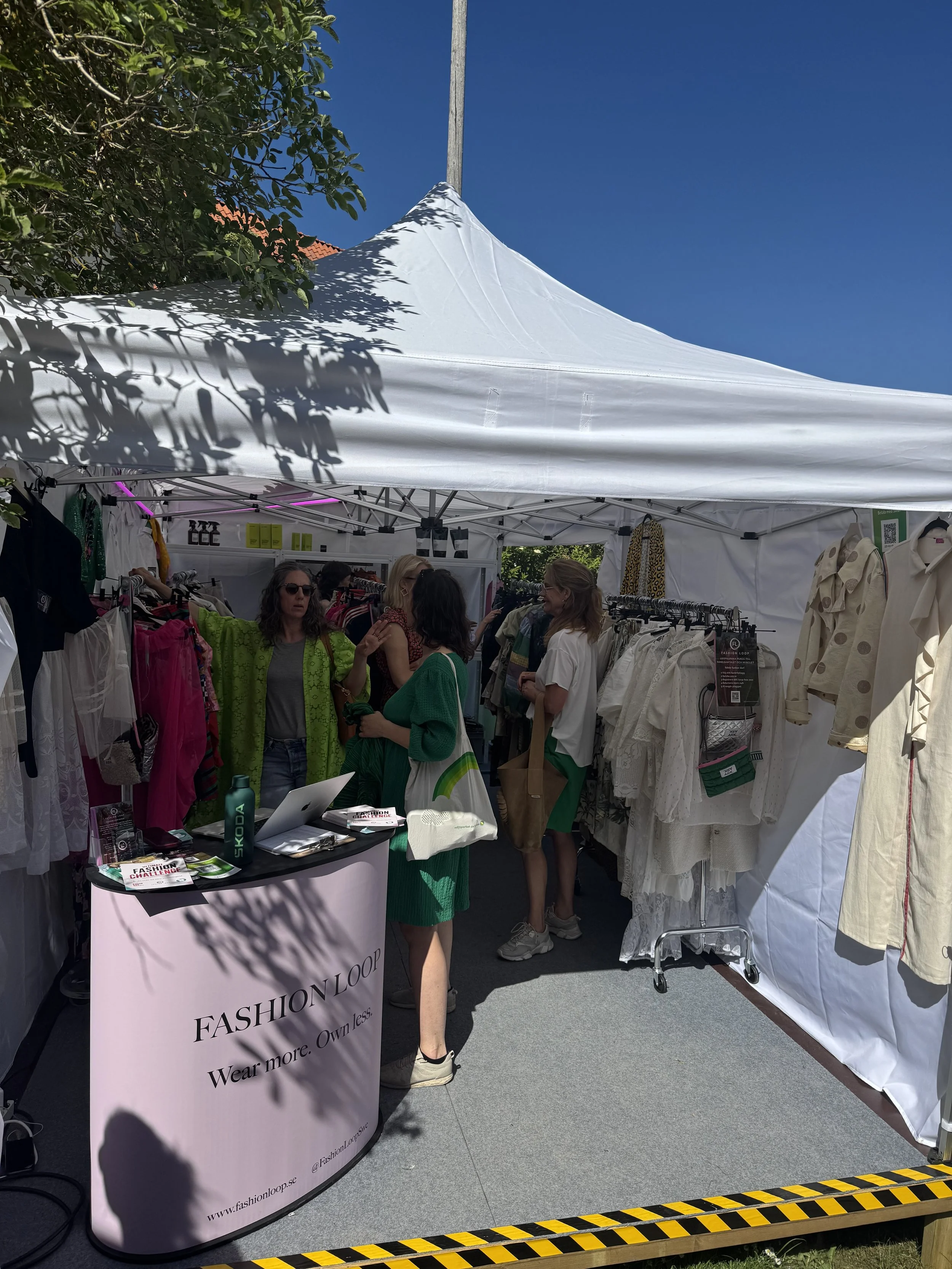
FashionLoop is making clothing rental accessible for both private individuals and businesses, proving that access can be just as valuable as ownership.
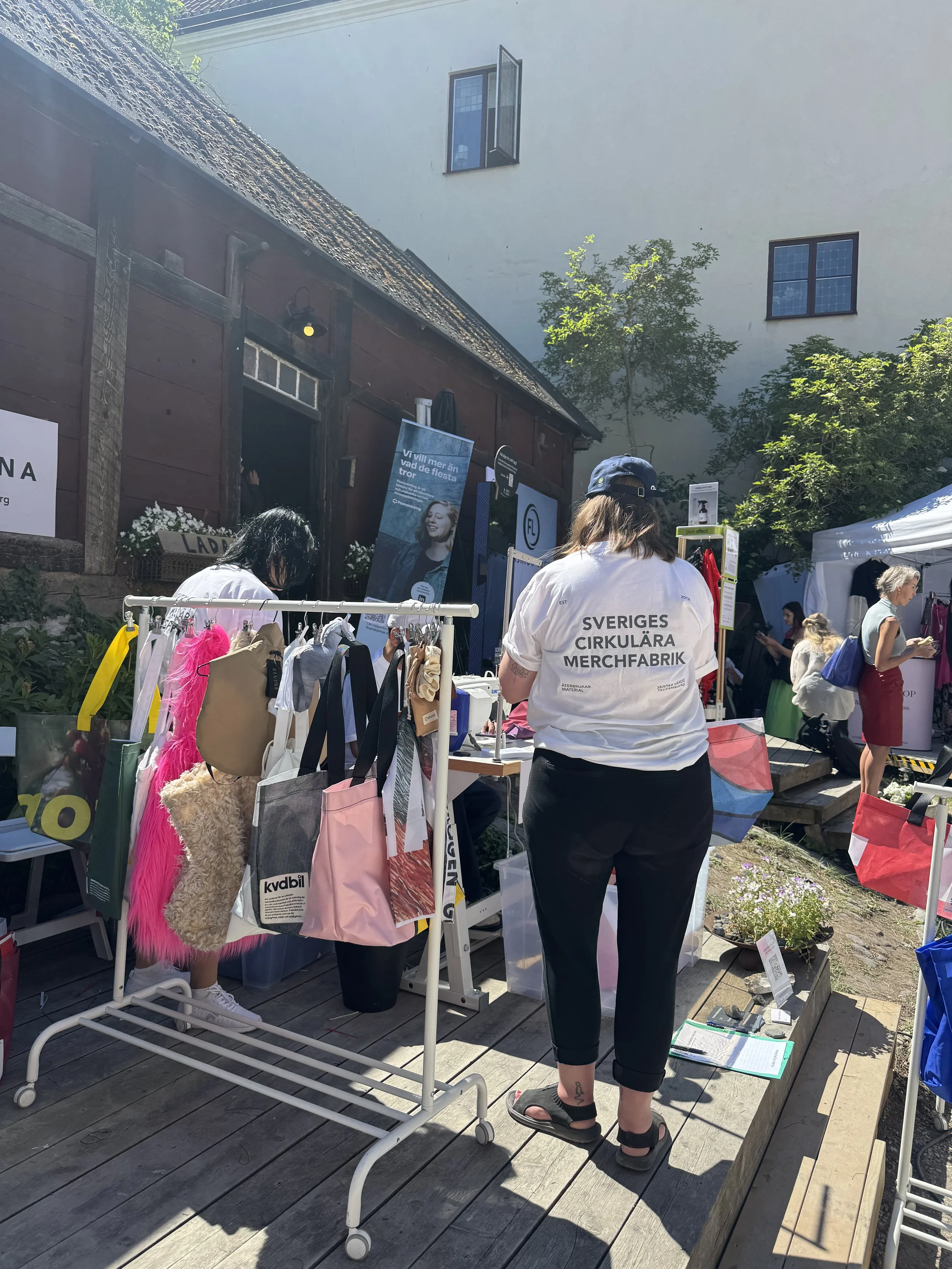
Fabrikörerna gives discarded textiles and event materials a second life by transforming them into bags and accessories with new commercial value.
Large brands are also moving.
H&M is expanding second-hand concepts in selected stores, governments are introducing tax incentives for repair and reuse, and a wave of EU legislation is raising the bar for how products are designed, used, and recovered.
Circularity is no longer a future ambition. It is becoming part of today's market.
What this means for businesses
For manufacturers and brand owners, the question is no longer whether circular materials will become part of the future.
The question is how quickly businesses can adapt. Companies that succeed will combine circular materials, resource-efficient production and business models that customers understand, trust and choose.
That requires collaboration across the entire value chain.
Material developers.
Manufacturers.
Brands.
Researchers.
And consumers.
Building the next generation of circular solutions
At The Loop Factory, we work with companies that want to transform side streams into valuable resources and develop scalable circular solutions.
Whether it's validating new materials, building circular value chains or preparing for future legislation, we help bridge the gap between sustainability ambitions and industrial implementation.
The technology is ready. Now it's time to accelerate the market.
Ready to accelerate your circular transition?
Every company has different materials, different challenges and different opportunities. Let's explore how your side streams can become tomorrow's competitive advantage.
Book a meeting with our team and to start the conversation.
See Formas’ open seminar during Almedalen Week: Can the Sweater of the Future Be Both Climate-Smart and Resource-Efficient?