Supply Chain Resilience Through Local Circular Innovation.
What happens when imports stop - and your production depends on them? In 2025, we joined as consultants in a national resilience project funded by the Swedish Civil Contingencies Agency (MSB). The aim was to test whether local, circular production can replace vulnerable imports during global supply-chain disruptions.
The key question was simple: Can circular innovation strengthen supply chain resilience?
Yes, if preparation occurs before disruption.
From Regional Testbed to Industrial Insight.
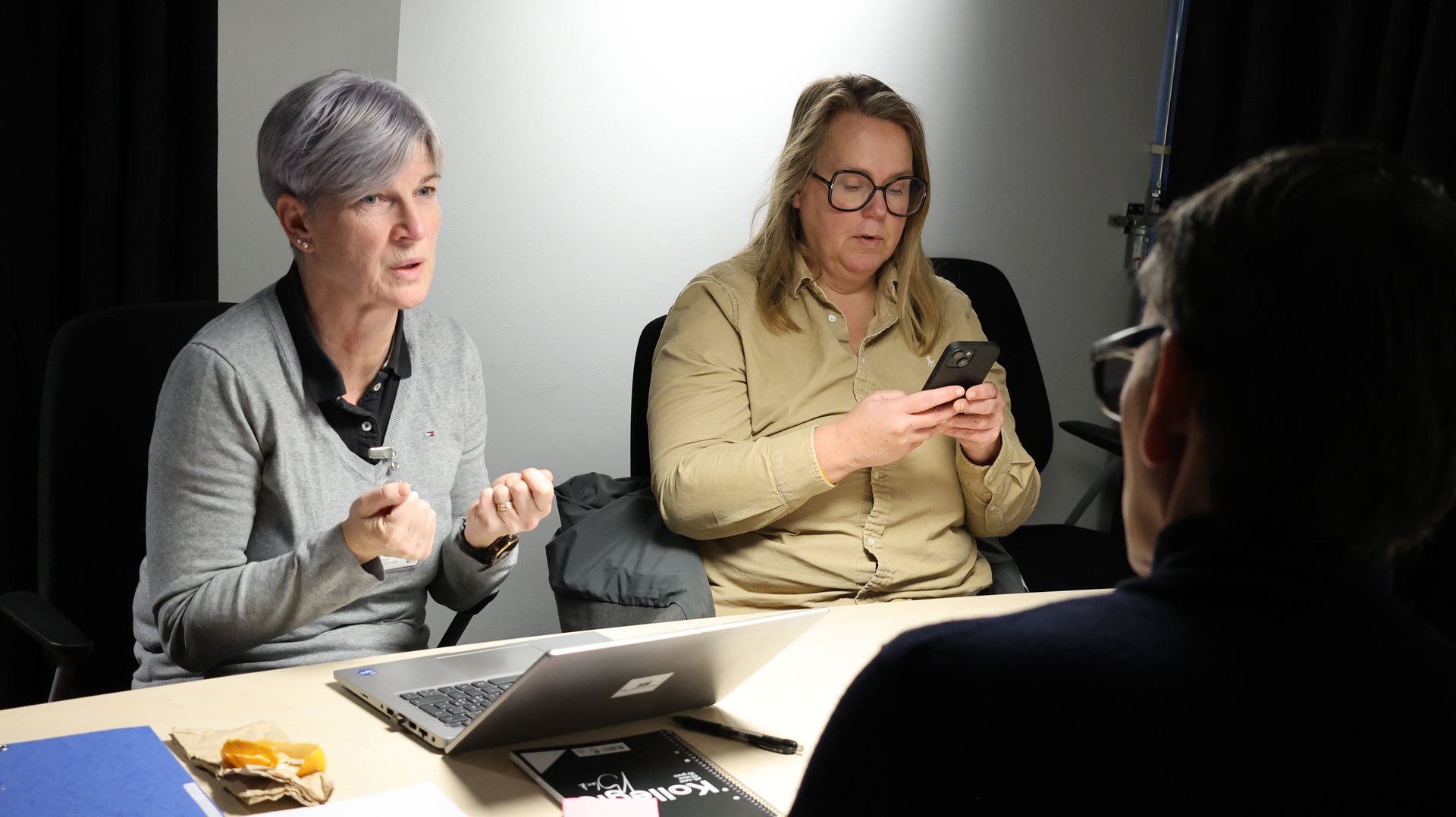
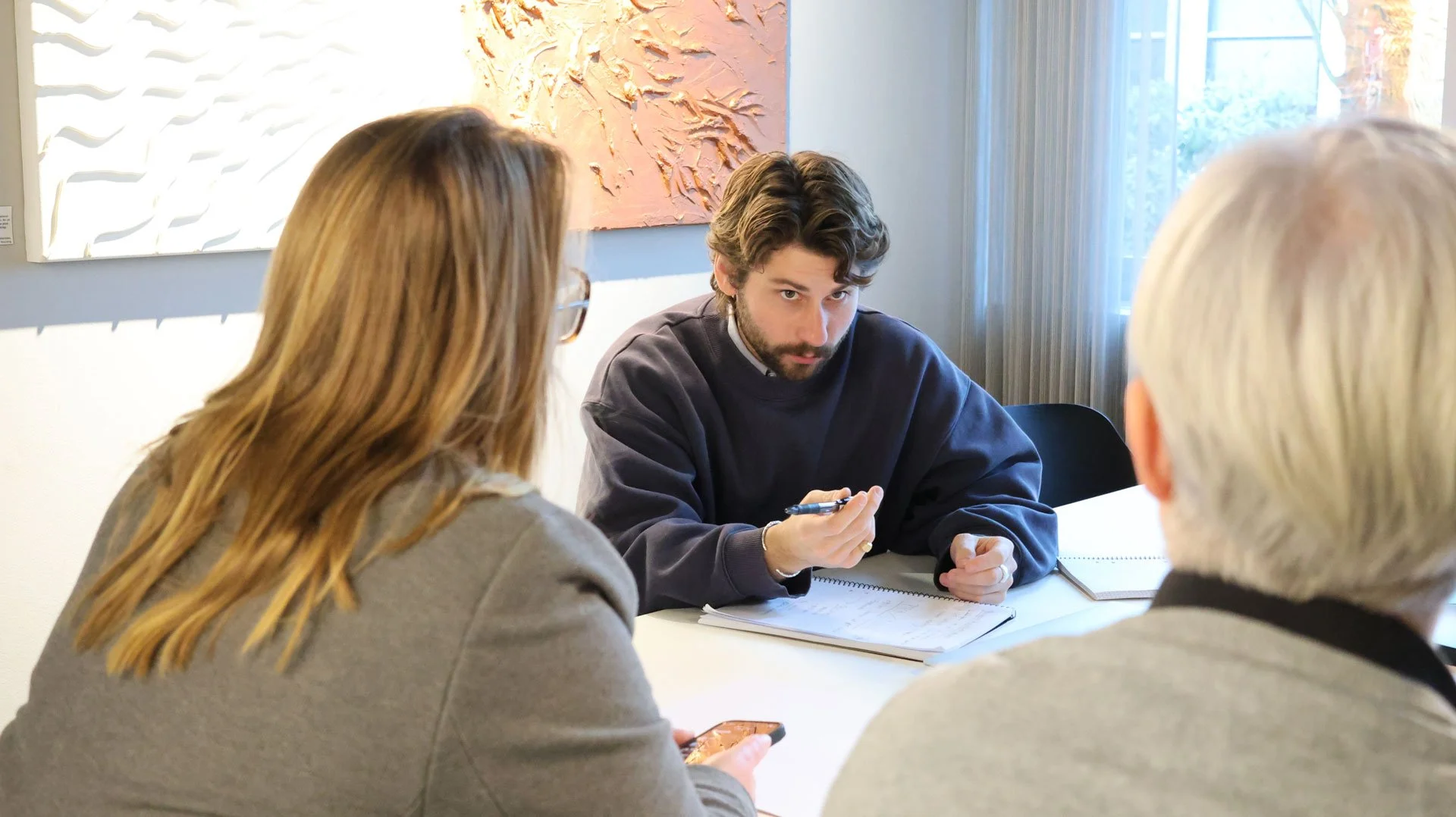
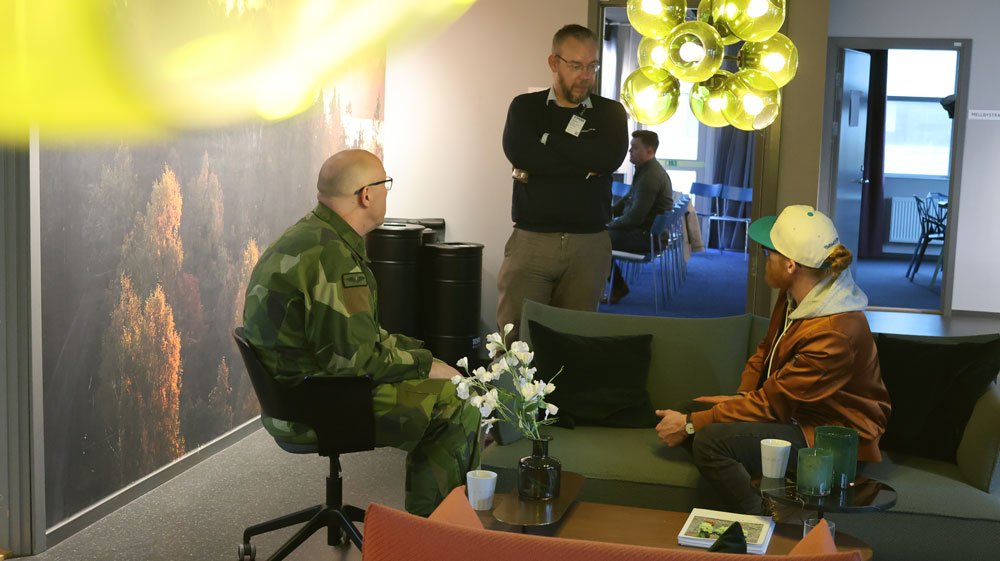
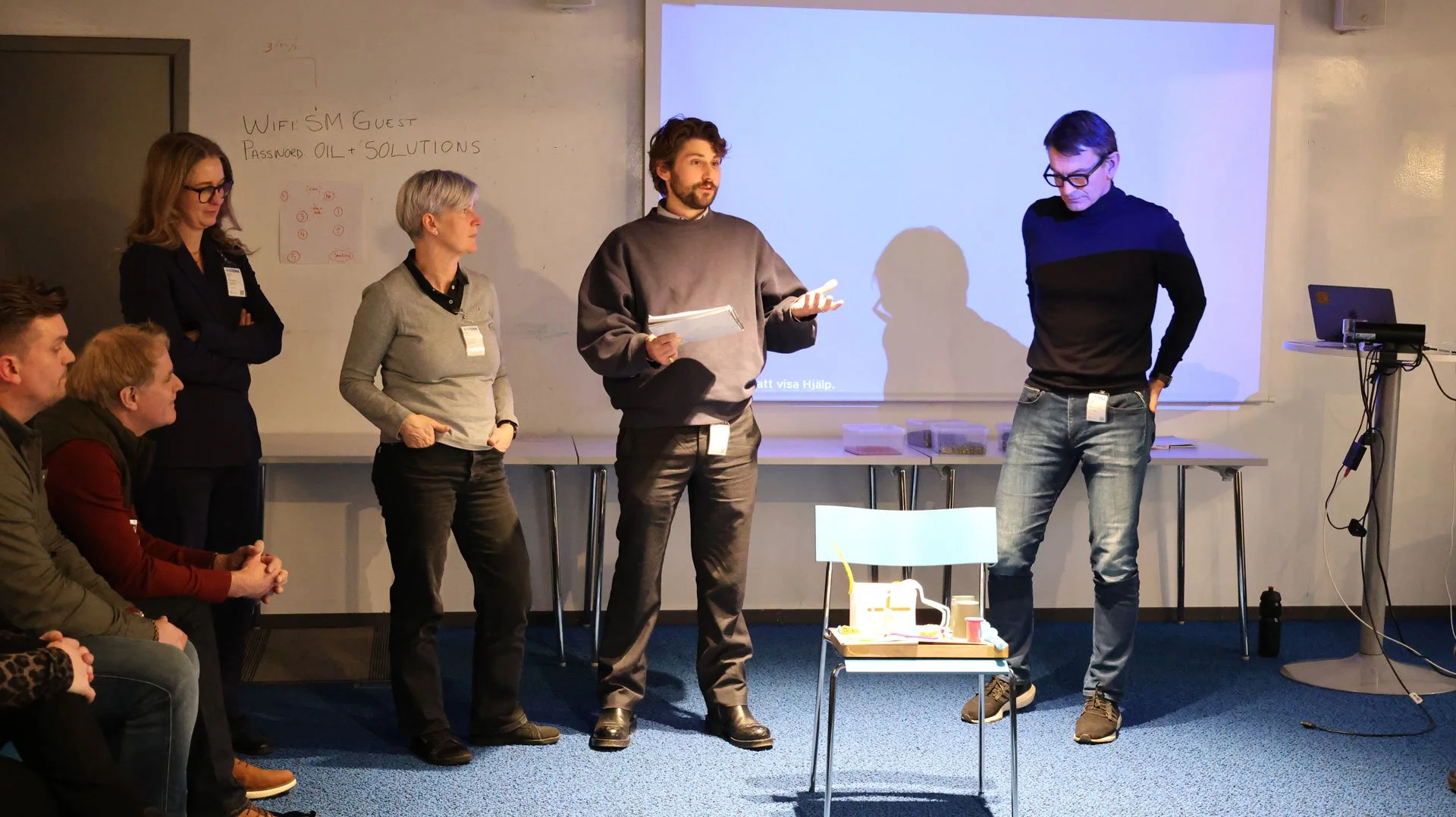
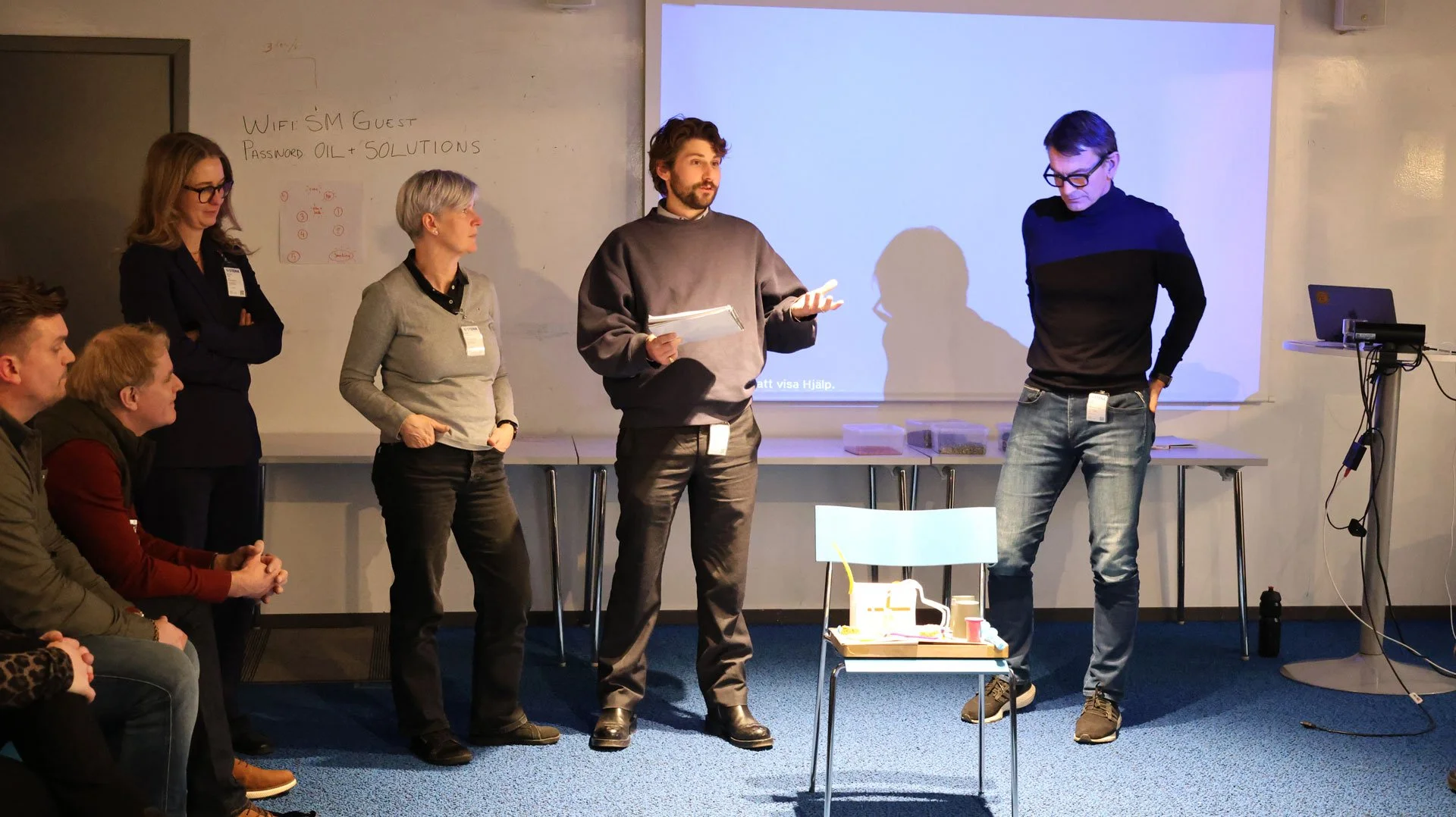
Together with universities, industrial companies and public actors, we tested theoretically what actually happens when supply chains break down. We explored why local materials and industrial side-streams must replace critical imports.
Within the project, we:
mapped more than 50 regional materials.
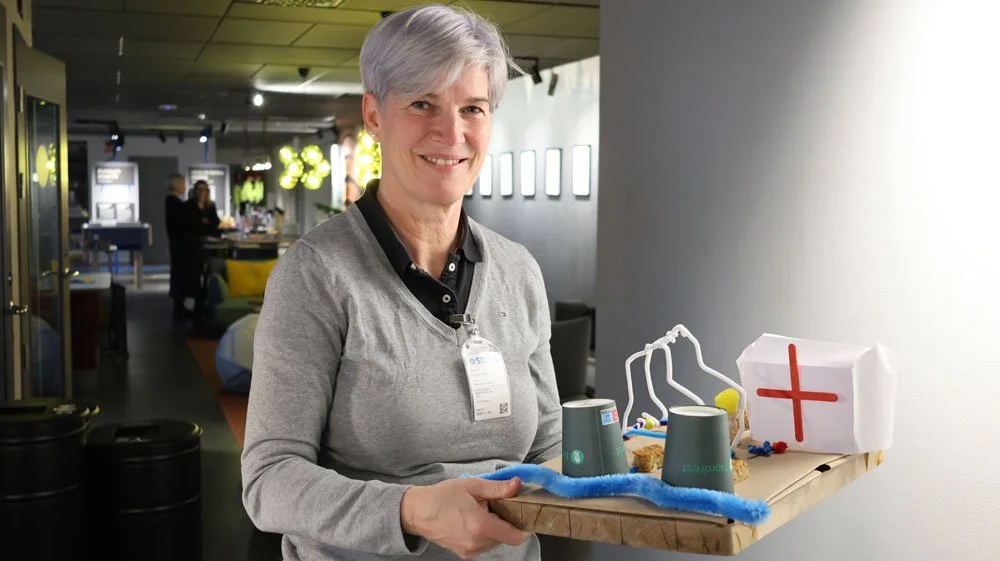
developed prototypes during a one-day “hackathon”.
contributed to identifying the real bottlenecks in the system.
The conclusion was clear: Circularity is not just about sustainability. It is about resilience. And it is about competitiveness.
When you understand your material flows and test alternatives before disruption occurs, production becomes more stable, and risk decreases.
That is where circular innovation becomes a real business strategy.

Assess Your Supply Chain Resilience.
If global supply chains were disrupted tomorrow, would you know where your vulnerabilities lie?
Most organisations don’t.
Resilience is built before pressure hits, through material insight, sourcing flexibility and production readiness.
We help industrial producers turn material risk into strategic advantage.
Identify your key material vulnerabilities.
Explore viable circular and local alternatives.
Define clear, practical next steps.
Learn more about our service, Material Screening, which helps you explore and compare the possibilities, whether you want to identify your key materials, recycle residuals, replace primary materials, or make better use of what you already have.
“This project confirmed something we have long believed: circular innovation is not only about reducing environmental impact, but also about reducing risks.
When you truly understand your material flows, you strengthen both your sustainability performance and your business resilience.”
ERIKA GYLLENSVAAN, COMMERCIAL LEAD & PROJECT MANAGER, THE LOOP FACTORYFotograf Petra Lindström